Luxus in Africa Blog

Expert safari guides, wildlife stories, travel tips, and conservation news from Tanzania

Ultimate Luxury Safari Experience in Serengeti National Park

January 15, 2024 Luxus in Africa Team Safari Destinations
Ultimate Luxury Safari Experience in Serengeti National Park

Experience the Magic of Serengeti in Ultimate Luxury

Imagine waking up to the sounds of the African wilderness, enjoying a gourmet breakfast overlooking the endless plains of the Serengeti. At Luxus in Africa, we transform this dream into reality.

Luxury Accommodations

Our lodges and camps offer:

  • Private plunge pools with savannah views
  • Personal butler service
  • Gourmet dining under the stars
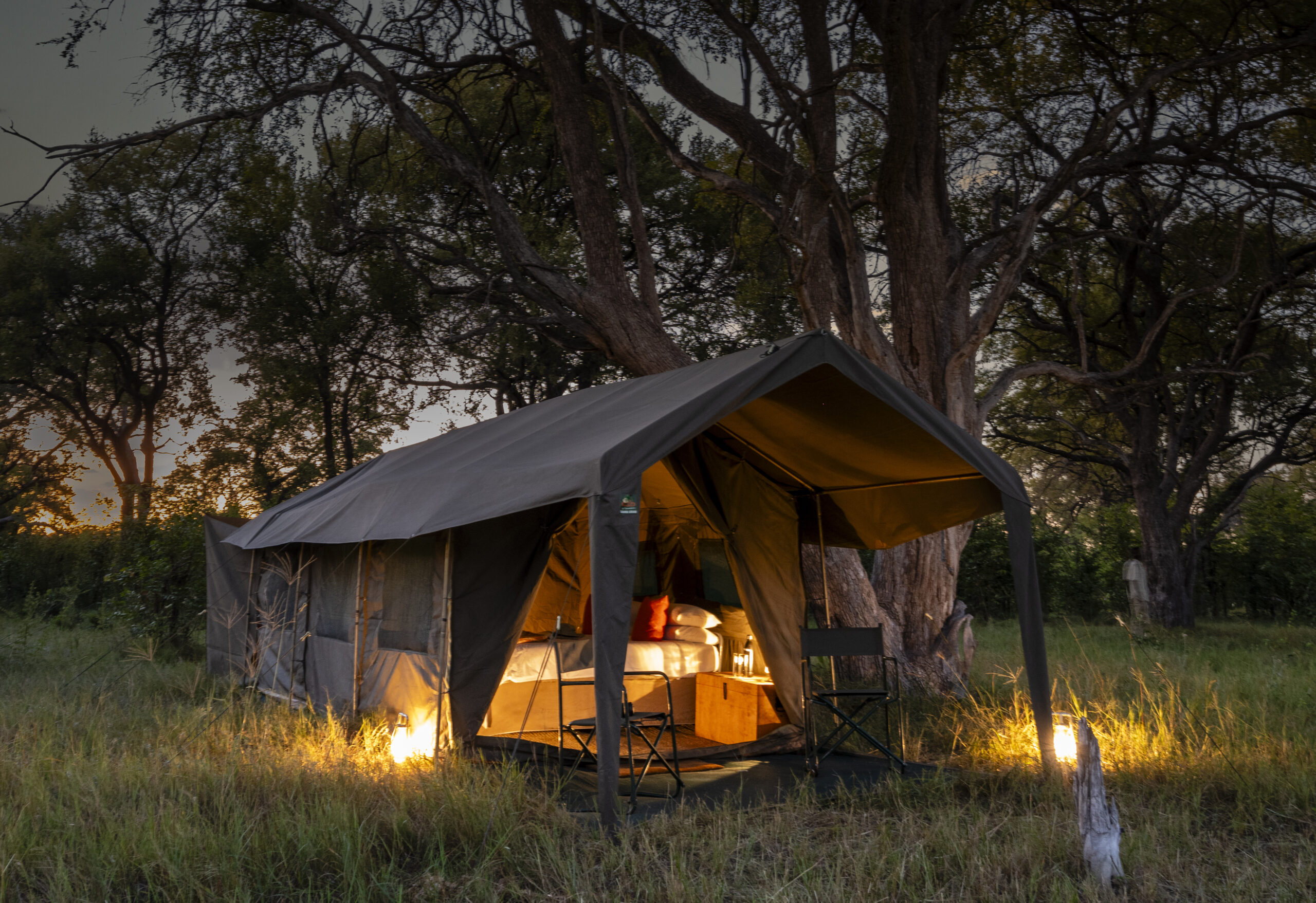
  • Luxurious tented suites with king-sized beds
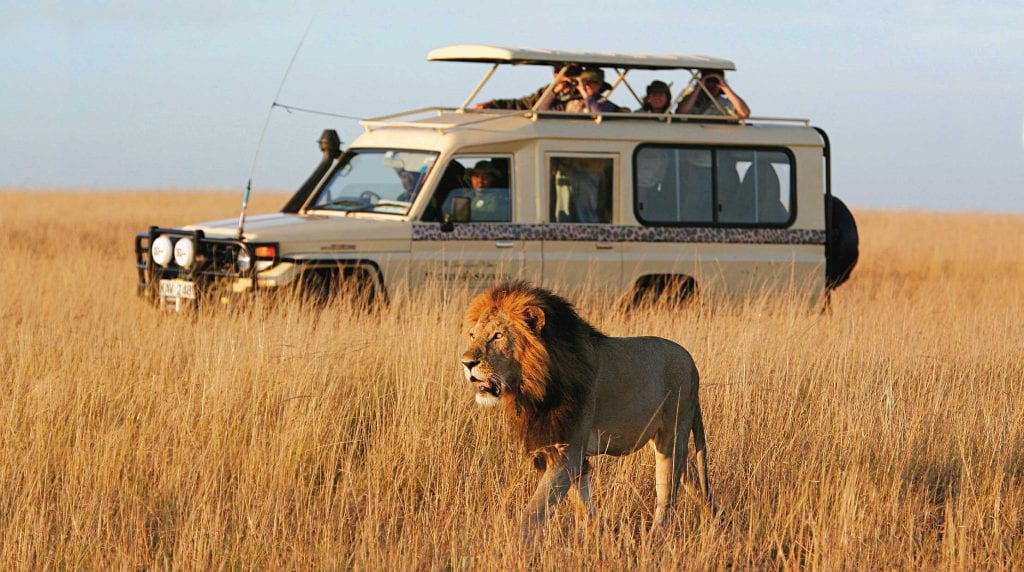
  • Private safari vehicles for exclusive game drives

The Great Migration Experience

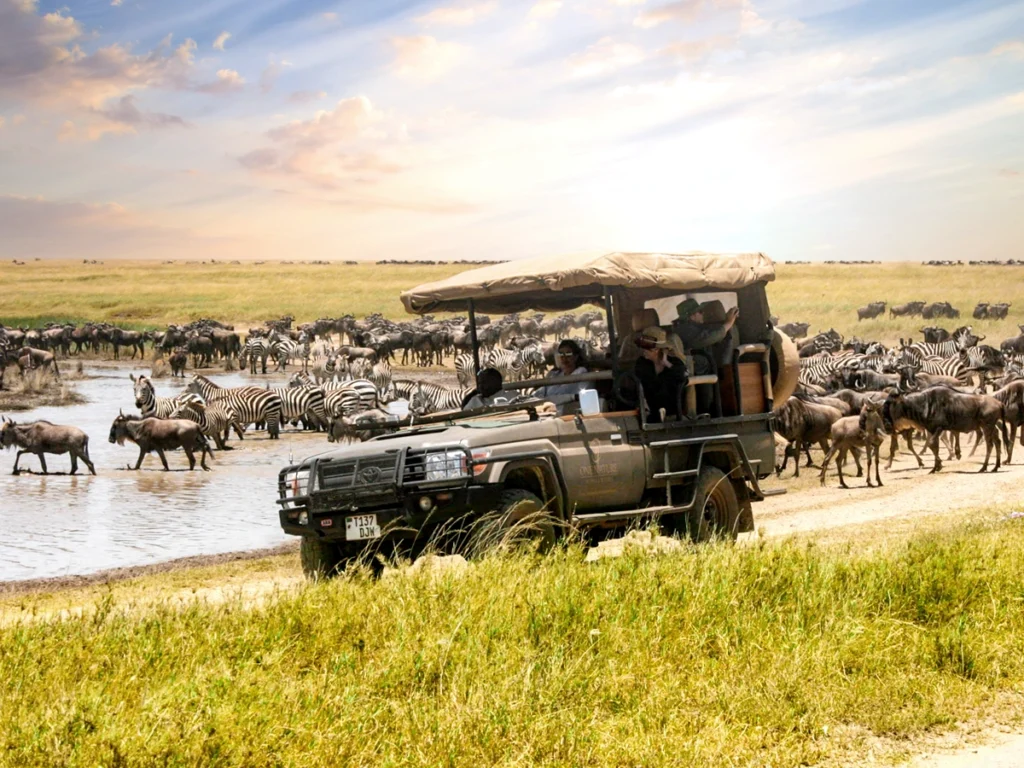
Witness the spectacular wildebeest migration from our exclusive viewing platforms. Our expert guides ensure you capture every moment of this natural wonder.

Best Time to Visit

The best time for luxury safaris in Serengeti is during the dry season (June to October) when wildlife congregates around water sources. For the river crossing, plan your visit between July and September.

Safari and Climate Change: Protecting Tanzania's Future

July 10, 2025 Dr. Anna Mkono Cultural Tourism
Safari and Climate Change: Protecting Tanzania's Future

The Changing Face of the Bush

Climate change is affecting every corner of our planet, including Tanzania's iconic landscapes and wildlife. Understanding these impacts helps us all work toward solutions. Here's what's happening and how you can help.

Observed Changes in Tanzania

Scientists and guides have documented several changes:

  • Shifting weather patterns: Rains are less predictable, with more extreme events – longer droughts, heavier downpours
  • Temperature increases: Warming temperatures affect ecosystems and water availability
  • Glacier retreat on Kilimanjaro: The iconic snows are diminishing rapidly
  • Changing migration patterns: Wildlife may shift movements in response to rainfall changes
  • Increased human-wildlife conflict: As resources become scarce, competition increases
  • Coral bleaching: Warming oceans affect Zanzibar's marine ecosystems

Impacts on Wildlife

Water availability: Rivers and waterholes may dry earlier, concentrating wildlife but also creating stress. Species dependent on specific water sources face challenges.

Food availability: Grasses and vegetation respond to rainfall patterns. Changes affect grazing animals and their predators.

Breeding cycles: Many species time breeding to coincide with food abundance. Shifting seasons can disrupt these rhythms.

Disease patterns: Changing temperatures affect disease vectors (like mosquitoes), potentially exposing wildlife to new diseases.

Range shifts: Species may need to move to find suitable conditions, but protected areas have fixed boundaries.

Impacts on Communities

Rural communities depend on predictable seasons for farming and grazing. Climate change affects:

  • Crop yields and food security
  • Water availability for people and livestock
  • Pasture quality and availability
  • Human health (heat stress, disease patterns)
  • Economic stability (including tourism)

When communities struggle, pressure on protected areas increases.

What the Tourism Industry Is Doing

Responsible operators are taking action:

  • Renewable energy: Many lodges now run on solar power
  • Water conservation: Rainwater harvesting, water treatment, low-flow fixtures
  • Waste reduction: Eliminating single-use plastics, composting, recycling
  • Carbon offsetting: Some operators offset flight and vehicle emissions
  • Sustainable sourcing: Local food reduces transport emissions
  • Conservation programs: Protecting habitats helps ecosystems adapt
  • Research support: Funding climate research and monitoring

What Travelers Can Do

  • Choose responsible operators: Support companies with sustainability practices
  • Offset your flights: Calculate and offset carbon emissions from air travel
  • Reduce waste: Bring reusable water bottle, avoid single-use plastics
  • Conserve water: Be mindful of water use, especially in dry areas
  • Support conservation: Donate to organizations working on climate adaptation
  • Learn and share: Educate yourself and others about climate impacts
  • Travel responsibly: Follow sustainable tourism guidelines
  • Visit parks: Your presence supports conservation funding

Hope for the Future

Despite challenges, there's reason for hope:

  • Protected areas provide resilient habitats
  • Wildlife has adapted to change throughout history
  • Conservation efforts are strengthening
  • Renewable energy is expanding
  • Global awareness is growing
  • Communities and conservationists are working together
  • Tourism provides incentive for protection

Our Commitment

Luxus in Africa is committed to minimizing our climate impact and supporting adaptation. We:

  • Partner with lodges using renewable energy
  • Offset emissions from our operations
  • Support conservation research
  • Educate guests about climate issues
  • Advocate for sustainable tourism policies
  • Invest in community resilience programs

Together, we can protect Tanzania's wonders for future generations.

Safari Fitness: Preparing for Your Adventure

June 15, 2025 James Wilson Mountain Climbing
Safari Fitness: Preparing for Your Adventure

Get Ready for Adventure

A safari involves more sitting than strenuous activity, but some preparation will make your experience more comfortable and enjoyable. Whether you're planning walking safaris or just want to handle game drives with ease, here's how to prepare.

Game Drive Fitness

Game drives involve sitting for 3-4 hours at a time, with getting in and out of vehicles. To prepare:

  • Core strength: Helps maintain comfortable posture during bumpy drives
  • Flexibility: Stretching helps with getting in/out of vehicles
  • Neck exercises: Looking up at treetop animals can strain necks
  • General mobility: Practice stepping up into high vehicles (safari vehicles have steps)

Walking Safari Preparation

If you plan walking safaris, more preparation helps:

  • Walking endurance: Build up to 2-3 hour walks on varied terrain
  • Uneven surfaces: Practice walking on trails, not just pavement
  • Stair climbing: Helps with hills and rocky areas
  • Balance exercises: Useful for uneven ground
  • Break in boots: Wear hiking boots well before your trip

Kilimanjaro Preparation

Climbing Kilimanjaro requires serious preparation (separate blog post). For serious climbers:

  • Cardiovascular training (hiking, running, cycling)
  • Leg strength (squats, lunges, stair climbing)
  • Altitude preparation (can't fully prepare, but fitness helps)
  • Long hikes with weighted pack
  • Start training 3-6 months before

Stretches for Safari

Simple stretches before/after game drives:

  • Neck rolls: Release tension from looking up
  • Shoulder shrugs: Relax shoulders
  • Torso twists: Loosen back
  • Hamstring stretches: Legs get stiff from sitting
  • Ankle rotations: Improve circulation

Staying Comfortable During Game Drives

  • Adjust seat position for support
  • Use small cushion or lumbar support if needed
  • Take breaks – ask guide for stretch stops
  • Stay hydrated – drink regularly
  • Wear comfortable clothing that allows movement
  • Bring layers – temperatures change dramatically

Pre-Existing Conditions

If you have health concerns:

  • Consult doctor before travel
  • Discuss with us – we can recommend accessible options
  • Inform your guide privately of any limitations
  • Consider private vehicle for flexibility
  • Choose lodges with easy access
  • Carry medications and doctor's letter
  • Purchase comprehensive insurance

Altitude Considerations

Ngorongoro Crater rim (2,200m / 7,200ft) can affect some people. Symptoms may include shortness of breath, headaches, fatigue. To minimize effects:

  • Move slowly, especially on arrival
  • Stay well hydrated
  • Avoid alcohol on first night
  • Inform guide if you feel unwell
  • Most people adjust within 24 hours

General Wellness Tips

  • Start hydrating days before travel
  • Adjust sleep schedule gradually to time zone
  • Pack comfortable, broken-in footwear
  • Bring any necessary medications (and extras)
  • Consider compression socks for long flights
  • Move around during flights to prevent DVT
  • Listen to your body – rest when needed

Our Approach

At Luxus in Africa, we design safaris for all fitness levels. Discuss your abilities with us, and we'll recommend appropriate activities and accommodations. Many guests return year after year – safari is for everyone.

Safari and Philanthropy: Giving Back on Your Trip

June 05, 2025 Dr. Sarah Johnson Cultural Tourism
Safari and Philanthropy: Giving Back on Your Trip

Travel That Makes a Difference

A safari is more than a vacation – it's an opportunity to support the places and people that make these experiences possible. By incorporating philanthropy into your journey, you can ensure your visit has lasting positive impact.

Why Give?

Tanzania faces significant conservation challenges – poaching, habitat loss, human-wildlife conflict – alongside community needs for education, healthcare, and economic opportunity. Tourism, when done responsibly, provides crucial funding and incentives for conservation and community development.

Ways to Give During Your Safari

Choose Responsible Operators: Support companies that prioritize sustainability, employ local staff, and contribute to conservation. At Luxus in Africa, we partner with lodges that share these values.

Stay at Conservation-Focused Properties: Many lodges have foundations or direct conservation programs. Singita's conservation fund, &Beyond's Africa Foundation, and others channel guest contributions to meaningful projects.

Visit Community Projects: Some lodges facilitate visits to schools, health clinics, or conservation projects where you can see impact firsthand and contribute directly.

Support Anti-Poaching: Donate to organizations working to protect rhinos, elephants, and other threatened species. Some lodges offer opportunities to meet anti-poaching teams.

Purchase Local Crafts: Buy directly from artisans or reputable cooperatives. Your purchase supports traditional skills and provides income to families. Avoid buying items made from endangered species.

Participate in Citizen Science: Some lodges offer opportunities to contribute to research – recording wildlife sightings, submitting photos for identification, or participating in surveys.

Leave No Trace: Respect the environment by following guidelines – stay on tracks, don't disturb wildlife, take only photos, leave only footprints.

Organizations to Support

Tanzania Wildlife Research Institute (TAWIRI): Government body conducting wildlife research. Donations support scientific work that informs conservation.

African People & Wildlife: Works on human-wildlife conflict solutions, including predator-proof bomas and education programs.

Honeyguide Foundation: Supports community-led conservation and anti-poaching in northern Tanzania.

Jane Goodall Institute: Works in Gombe and beyond on chimpanzee conservation and community programs.

Frankfurt Zoological Society: Long-term supporter of Serengeti and other parks, funding rangers and conservation programs.

WildAid: Anti-poaching and wildlife protection initiatives.

Local Schools and Clinics: Many lodges have relationships with nearby communities – ask how you can help (school supplies, medical equipment).

Responsible Giving Tips

  • Give through established organizations or lodge foundations – ensures funds are used properly
  • Avoid giving cash or gifts directly to children – can encourage begging and dependency
  • If visiting a school, coordinate through your guide/lodge – they know appropriate ways to help
  • Consider recurring donations rather than one-time – sustained support has greater impact
  • Research organizations before donating – ensure they're reputable and effective
  • Ask your lodge how guests can best support local initiatives

Conservation Fees

National park fees ($50-80 per person/day) directly support park management, ranger salaries, and conservation programs. These fees are essential to maintaining Tanzania's protected areas. You're already contributing simply by visiting.

Our Commitment

Luxus in Africa is committed to responsible tourism. We:

  • Partner with lodges that demonstrate sustainability
  • Support local conservation initiatives through our foundation
  • Employ and train Tanzanian staff
  • Educate guests about responsible travel
  • Offset carbon emissions from our operations
  • Contribute to community projects in areas where we operate

Ask us how you can make a difference during your safari – we're happy to suggest meaningful ways to give back.
Luxury Safari on a Budget: Smart Strategies

May 20, 2025 Sarah Johnson Cultural Tourism
Luxury Safari on a Budget: Smart Strategies

Experience the Magic Without Breaking the Bank

"Luxury" doesn't always mean "most expensive." With smart choices, you can enjoy many elements of a luxury safari experience at surprisingly accessible price points. Here's how to maximize value without compromising on the magic.

Timing Is Everything

Travel during shoulder seasons (April-May, November) when rates drop 20-40% while wildlife viewing remains excellent. You'll enjoy greener landscapes, fewer tourists, and significant savings. Avoid peak Christmas/New Year and July-October migration seasons if budget is primary concern.

Choose Mid-Range Gems

Tanzania has excellent mid-range lodges and camps offering genuine comfort, good locations, and professional service at much lower prices than top-tier properties. Many are in the same areas as luxury camps – you're sharing the same wildlife experiences. We can recommend properties that offer the best value.

Consider Road Transfers

While flying saves time, road transfers are significantly cheaper. For budget-conscious travelers, mixing road and air (e.g., drive to some parks, fly from others) can balance cost and convenience. Road transfers also offer opportunities to see villages and landscapes between parks.

Share Your Vehicle

Private vehicles add significantly to cost. Joining a small group (4-6 people) in a shared vehicle can reduce expenses while adding social interaction. Many travelers enjoy meeting fellow safari-goers. We can recommend operators with good group safari options.

Focus Your Itinerary

Instead of visiting four parks in seven days (which requires long drives and multiple park fees), focus on two parks and spend more time in each. You'll save on park fees and transfers while enjoying a more relaxed pace. Quality over quantity.

Choose Lodge Over Mobile Camp

Permanent lodges often have lower rates than mobile camps that move with the migration. For example, staying in central Serengeti lodges year-round can be more affordable than following the migration. You still see excellent wildlife.

Book Early

Early booking (6-12 months ahead) often secures better rates and availability. Last-minute bookings may face limited choices and higher prices. Early planners also get first choice of rooms and guides.

Consider Self-Catering Options

For independent travelers, self-catering cottages or bandas (available in some areas like Usambara Mountains, Arusha) offer budget-friendly alternatives. Not a full luxury safari, but can be combined with lodge stays.

What's Worth Splurging On

If you must cut costs, consider where to invest:

  • Guides: A good guide makes or breaks a safari – don't compromise here
  • Location: Being inside parks saves drive time and offers prime wildlife access
  • Ngorongoro Crater: Worth the premium – it's unique and unforgettable
  • One luxury splurge: Consider one special night at a top property for celebration

Where to Save

  • Accommodation category: Mid-range over top-tier – same wildlife, same parks
  • Private vehicle: Share with others
  • Flight transfers: Drive instead of fly for some segments
  • Duration: Shorter safaris (4-5 days) cover highlights
  • Extras: Limit balloon safaris, spa treatments, premium drinks

Sample Value Itinerary (6 Days)

Days 1-2: Tarangire National Park – mid-range lodge, game drives
Days 3-4: Lake Manyara – mid-range lodge, game drive, cultural visit
Day 5: Ngorongoro Crater – crater rim lodge, full crater tour
Day 6: Return Arusha, departure

This itinerary covers major highlights efficiently, with road transfers between parks.

Hidden Costs to Budget For

  • National park fees ($50-80 per person/day)
  • Tipping ($15-25 per person/day total for guide + camp staff)
  • Visas ($50-100 depending on nationality)
  • International flights
  • Travel insurance (essential)
  • Alcoholic beverages and premium drinks
  • Optional activities (balloon safaris, spa)
  • Souvenirs and crafts

Safari Glossary: Essential Terms and Phrases

May 10, 2025 Luxus in Africa Team Cultural Tourism
Safari Glossary: Essential Terms and Phrases

Speaking the Language of the Bush

Every world has its own vocabulary, and safari is no exception. Understanding common terms and a few Swahili phrases will enrich your experience and help you connect with guides and staff. Here's your essential safari glossary.

Swahili Words and Phrases

Swahili (Kiswahili) is Tanzania's national language. Learning a few words will be appreciated:

  • Jambo / Hujambo: Hello (to one person)
  • Hamjambo: Hello (to multiple people)
  • Habari: How are you? (literally "news")
  • Nzuri: Good / fine (response)
  • Asante: Thank you
  • Asante sana: Thank you very much
  • Karibu: Welcome (also means "you're welcome")
  • Kwaheri: Goodbye (to one person)
  • Tafadhali: Please
  • Ndiyo: Yes
  • Hapana: No
  • Samahani: Excuse me / sorry
  • Pole pole: Slowly / carefully
  • Hakuna matata: No problem (literally "no troubles")
  • Poa / Poa kichizi kama ndizi: Cool / very cool (slang)

Wildlife Names in Swahili

  • Simba: Lion
  • Chui: Leopard
  • Tembo / Ndovu: Elephant
  • Kifaru: Rhino
  • Nyati / Mbogo: Buffalo
  • Duma: Cheetah
  • Fisi: Hyena
  • Twiga: Giraffe
  • Punda milia: Zebra (literally "striped donkey")
  • Nyumbu: Wildebeest
  • Swala: Gazelle / antelope (general)
  • Kiboko: Hippo
  • Mamba: Crocodile
  • Nyani: Baboon
  • Kanga: Guinea fowl

Safari Terms and Concepts

  • Big Five: Lion, leopard, elephant, rhino, buffalo – originally named for difficulty of hunting on foot
  • Little Five: Elephant shrew, ant lion, leopard tortoise, buffalo weaver, rhino beetle – fun for children
  • Ugly Five: Wildebeest, hyena, marabou stork, vulture, warthog – a humorous counterpoint
  • Game drive: Safari excursion by vehicle to view wildlife
  • Game viewer: Specialized safari vehicle with pop-up roof
  • Bush breakfast/lunch/dinner: Meal set up in the wilderness, not at the lodge
  • Sundowner: Evening drinks in the bush at sunset
  • Boma: Enclosed area (often for dining or campfire)
  • Manyatta: Traditional Maasai village or homestead
  • Moran: Maasai warrior
  • Kopje: Rocky outcrop (from Dutch/Afrikaans) – often anglicized as "kopje"
  • Vlei: Shallow seasonal wetland or marsh (from Afrikaans)
  • Concession: Private area leased for tourism, often with exclusive activities
  • Conservancy: Community-managed conservation area
  • Fly camp: Lightweight camping for walking safaris
  • Mobile camp: Camp that moves seasonally (often following migration)
  • Permanent camp: Fixed camp with more substantial structures
  • Lodge: Fixed accommodation, often with walls and conventional rooms
  • Tented camp: Accommodation in permanent or semi-permanent tents

Geographic Terms

  • Serengeti: From Maasai "siringet" – "endless plains"
  • Ngorongoro: Named for the Maasai word for the sound of a cowbell
  • Kilimanjaro: Origin uncertain – possibly from Swahili "kilima" (mountain) and "njaro" (caravan) or Maasai name
  • Manyara: From Maasai word for a type of euphorbia plant
  • Tarangire: Named for the Tarangire River
  • Ruaha: From Hehe word for river
  • Selous: Named after Frederick Selous, famous hunter/conservationist
  • Zanzibar: From Persian "Zangh-bar" – "coast of the blacks" or Arabic "Zanjibar"

Practical Terms

  • Asante sana: Thank you very much – you'll use this often
  • Karibu tena: Welcome again / come again
  • Tipping: Expected for guides and camp staff – we provide guidelines
  • Park fees: Daily conservation fees paid to park authorities
  • Fly-in safari: Safari using small aircraft between destinations
  • Road transfer: Overland journey between parks
  • Kikoi: Traditional woven wrap (useful as scarf, towel, etc.)
  • Kanga: Colorful printed cloth worn by women