Luxus in Africa Blog

Expert safari guides, wildlife stories, travel tips, and conservation news from Tanzania

Maasai Culture: Meeting Tanzania's Warriors

March 05, 2025 Dr. Sarah Johnson Cultural Tourism
Maasai Culture: Meeting Tanzania's Warriors

The People of the Lion

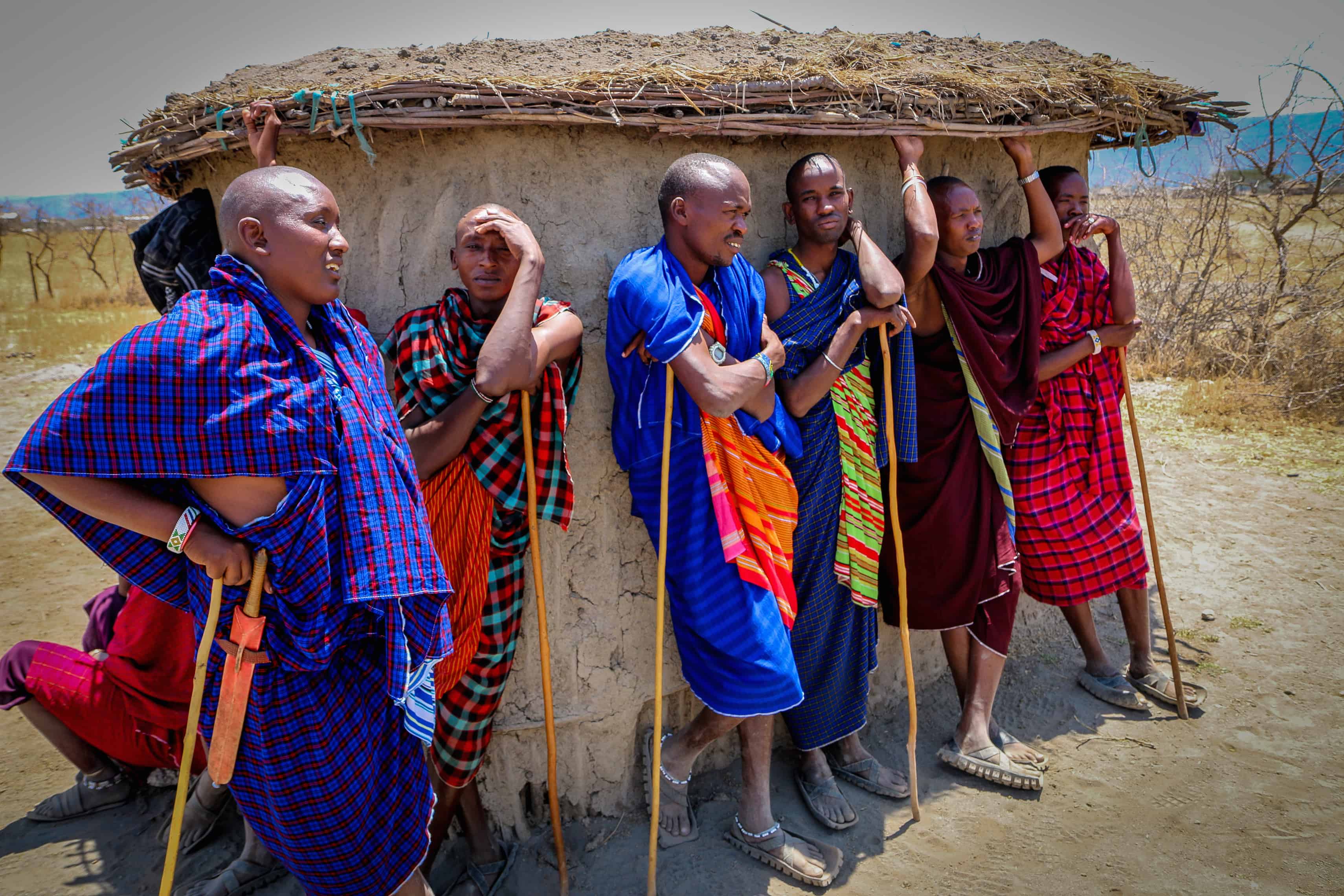
The Maasai are one of Africa's most iconic cultures, known for their distinctive customs, red shuka clothing, and deep connection to the land they share with wildlife. Meeting Maasai communities can be a highlight of any Tanzania safari when done respectfully.

Who Are the Maasai?

The Maasai are semi-nomadic pastoralists who have lived in East Africa for centuries, migrating with their cattle across the lands that now include the Serengeti, Ngorongoro, and other parks. Their traditional knowledge of the land and wildlife is unparalleled, and many Maasai work as guides, trackers, and camp staff in the safari industry.

Maasai society is organized by age sets, with warriors (morans) playing a central role in community protection. Their traditional diet consists of meat, milk, and blood from their cattle, which are central to their culture and economy.

Visiting a Maasai Village

Many lodges and tour operators offer visits to Maasai villages (manyattas). A respectful visit should include:

  • Greeting the village elder and seeking permission to enter
  • A welcome song or dance performance (often by warriors)
  • A tour of the village, including homes (manyattas) made of dung and branches
  • Demonstrations of traditional fire-making, beadwork, or other crafts
  • Opportunity to purchase authentic Maasai crafts (bargaining is expected)
  • Q&A session where you can learn about Maasai culture

Visits typically last 1-2 hours and include a fee that directly benefits the community. Photography is usually permitted, but always ask first - some Maasai may request a small fee for photos.

Responsible Cultural Tourism

To ensure your visit benefits Maasai communities:

  • Choose visits organized by reputable operators who work directly with communities
  • Avoid tours that feel exploitative or rushed
  • Purchase crafts directly from artisans, not intermediaries
  • Support lodges that employ Maasai staff and provide fair wages
  • Consider visiting community-run conservation projects
  • Learn a few Maa words (the Maasai language) - "Supai" (hello) is a good start

Beyond Village Visits

For deeper cultural immersion, consider these experiences:

Walking with Maasai Guides: Some areas offer walking safaris led by Maasai guides who share their knowledge of tracking, plants, and wildlife.

Conservancy Visits: Community-owned conservancies like those around Manyara Ranch offer cultural experiences while supporting conservation.

Beadwork Workshops: Learn traditional Maasai beadwork from women in the community, with proceeds supporting women's initiatives.

Homestay Experiences: Some operators offer overnight stays in Maasai communities for those seeking deeper cultural immersion (ask about available options).

Maasai and Conservation

Maasai communities play an increasingly important role in conservation through community conservancies, where they lease their land for wildlife conservation while continuing traditional grazing. These conservancies create wildlife corridors, provide employment, and ensure Maasai benefit directly from tourism. Visiting these areas supports both conservation and community development.

Photography Tips

The Maasai are visually striking subjects. When photographing:

  • Always ask permission before taking portraits
  • Offer to show subjects their photo on your camera screen
  • Consider tipping or purchasing crafts from those you photograph
  • Focus on genuine moments rather than staged poses
  • Be patient and build rapport before raising your camera

Best Time to Visit Tanzania: Month-by-Month Guide

February 25, 2025 Michael Thompson Cultural Tourism
Best Time to Visit Tanzania: Month-by-Month Guide

Planning Your Tanzanian Adventure

Tanzania offers incredible experiences year-round, but the best time to visit depends on what you want to see and do. This month-by-month guide will help you plan the perfect luxury safari or beach holiday.

January

Weather: Warm and dry in most areas. Short rains have ended, leaving green landscapes.
Wildlife Highlights: Calving season in southern Serengeti/Ndutu area. Thousands of wildebeest births attract predators. Excellent game viewing.
Beach Conditions: Perfect weather on Zanzibar – sunny, warm, and dry.
Recommendation: Excellent for safaris and beach combinations.

February

Weather: Similar to January – warm and dry. One of the hottest months.
Wildlife Highlights: Calving continues in southern Serengeti. Peak predator action. Herds beginning to gather for northward movement.
Beach Conditions: Ideal beach weather with calm seas.
Recommendation: Prime time for southern Serengeti safaris.

March

Weather: Hot and humid. Short rains may begin late in the month.
Wildlife Highlights: Herds begin moving from southern to central Serengeti. Good game viewing continues.
Beach Conditions: Still good, though increasing humidity.
Recommendation: Good value as shoulder season begins.

April

Weather: Long rains – afternoon showers typical. Greenest month of the year.
Wildlife Highlights: Herds spread through central and western Serengeti. Lush landscapes, beautiful light for photography.
Beach Conditions: Rainy season on coast – many lodges closed.
Recommendation: Best for budget travelers and photographers who don't mind rain. Some lodges offer discounted rates.

May

Weather: Long rains continue, though rainfall decreasing.
Wildlife Highlights: Herds continue westward toward Grumeti. Fewer tourists, excellent value.
Beach Conditions: Still rainy, improving toward month end.
Recommendation: Good for green season safaris with fewer crowds.

June

Weather: Dry season begins – clear skies, pleasant temperatures.
Wildlife Highlights: Herds in western Serengeti. Grumeti River crossings begin. Excellent game viewing.
Beach Conditions: Dry season begins – perfect weather returns.
Recommendation: Prime time for safaris and beach combinations.

July

Weather: Cool, dry, perfect for game viewing.
Wildlife Highlights: Herds reach northern Serengeti. Mara River crossings begin – dramatic action with crocodiles.
Beach Conditions: Perfect – sunny, warm, with cooling breezes.
Recommendation: Peak season – book well in advance.

August

Weather: Similar to July – dry and cool.
Wildlife Highlights: Peak river crossing season in northern Serengeti. Herds concentrated along Mara River.
Beach Conditions: Perfect beach weather.
Recommendation: Peak season – lodges fill quickly.

September

Weather: Dry, warming toward month end.
Wildlife Highlights: River crossings continue. Herds spread across northern Serengeti.
Beach Conditions: Excellent – prime time for diving and snorkeling.
Recommendation: Excellent for migration safaris.

October

Weather: Warm and dry. Short rains may begin late month.
Wildlife Highlights: Migration begins moving south. Good game viewing throughout northern and central Serengeti.
Beach Conditions: Excellent – whale sharks begin appearing around Mafia Island.
Recommendation: Good for safaris and whale shark experiences.

November

Weather: Short rains – afternoon showers typical.
Wildlife Highlights: Herds scattered across eastern and northern Serengeti. Green landscapes return.
Beach Conditions: Good, with occasional showers. Whale shark season continues.
Recommendation: Good value – green season rates at many lodges.

December

Weather: Warm, with occasional showers. Landscapes green and lush.
Wildlife Highlights: Herds returning to southern Serengeti for calving season. Good game viewing throughout.
Beach Conditions: Excellent holiday weather on coast.
Recommendation: Popular for Christmas and New Year holidays – book early.

Summary by Activity

Best for Great Migration river crossings: July to October
Best for calving season/predator action: January to February
Best for green season photography: April to May, November to December
Best for Zanzibar beaches: June to October, December to February
Best for diving and snorkeling: September to March (calm seas, good visibility)
Best for whale sharks (Mafia): October to March
Best for chimpanzee trekking (Mahale/Gombe): June to October (dry season)

Cuisine of Tanzania: A Culinary Safari

February 20, 2025 Chef Fatima Salim Cultural Tourism
Cuisine of Tanzania: A Culinary Safari

A Feast for the Senses

Tanzania's cuisine reflects its diverse cultural heritage, with influences from Arab, Indian, and African traditions. On a luxury safari with Luxus in Africa, you'll experience the best of Tanzanian gastronomy, prepared by talented chefs using fresh, local ingredients.

Traditional Tanzanian Dishes

Nyama Choma: Grilled meat (often goat or beef) is a national obsession. Enjoyed with salt, pepper, and a squeeze of lime, it's often served with kachumbari (tomato and onion salad).

Ugali: Tanzania's staple food, a stiff porridge made from maize flour. It's used to scoop up stews and sauces and is an acquired taste that many visitors grow to love.

Mishkaki: Skewered and grilled meat, similar to kebabs, marinated in spices and often served as an appetizer.

Chapati: Flaky flatbread introduced by Indian immigrants, now a Tanzanian staple. Delicious with stews or on its own.

Samaki wa Kupaka: Grilled fish in coconut sauce, a coastal specialty that showcases Swahili cuisine.

Wali na Maharage: Rice and beans, a simple but satisfying dish found throughout the country.

Supu ya Ndizi: Green banana soup, a unique and comforting dish popular in the highlands.

Zanzibari Specialties

Zanzibar's cuisine is a highlight of any visit to the islands:

Zanzibari Biryani: Fragrant rice dish with meat, potatoes, and a complex blend of spices including cardamom, cloves, and cinnamon.

Octopus Curry: Tender octopus in a coconut curry, a true taste of the coast.

Urojo: Also called Zanzibar mix, this street food favorite is a tangy soup with crispy bits, potatoes, eggs, and chutneys.

Zanzibar Pizza: Not pizza as you know it – a stuffed, fried parcel filled with meat, vegetables, egg, and sometimes chocolate for dessert versions.

Fresh Seafood: Grilled lobster, prawns, and fish are abundant and delicious, often served with garlic butter and lime.

Spice Tea: Chai infused with Zanzibar's famous spices – cinnamon, cardamom, ginger, and cloves.

Bush Dining Experiences

Luxury safaris elevate dining to an art form with unforgettable settings:

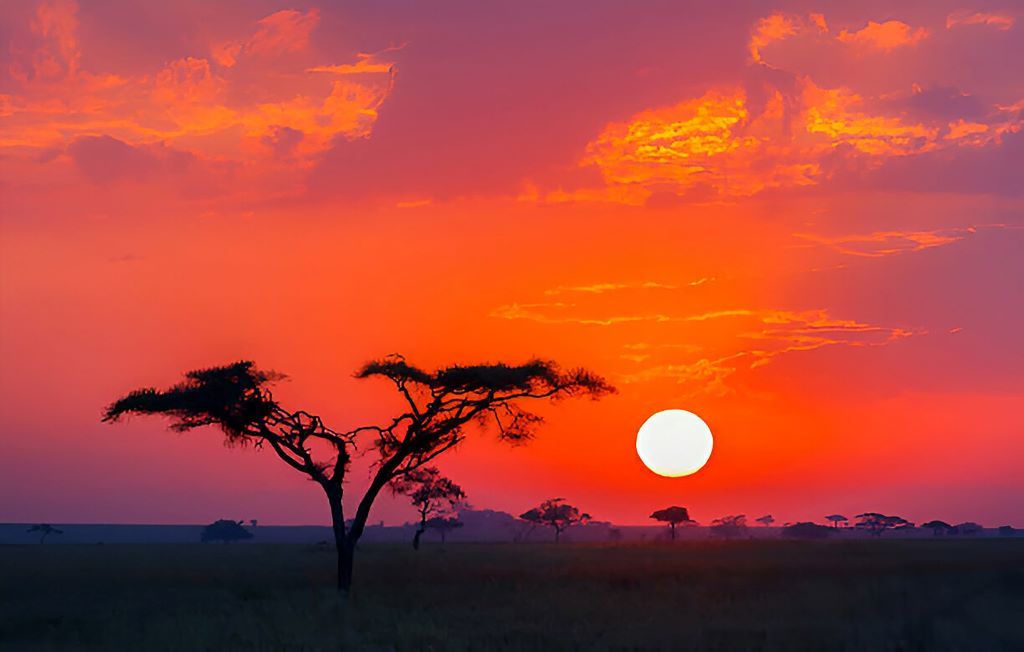
Sundowners: The quintessential safari experience – stopping at sunset to enjoy drinks and snacks while watching the sun sink below the horizon.

Bush Breakfasts: A full breakfast set up in the bush, complete with tablecloths, china, and hot food prepared on site.

Bush Dinners: The ultimate romantic experience – a private dinner under the stars, with lanterns, a personal chef, and the sounds of the bush as your soundtrack.

Picnic Lunches: Gourmet boxed lunches enjoyed at scenic spots during game drives.

Campfire Dining: Many lodges serve dinner around a campfire, with storytelling and traditional music.

Wine on Safari

Luxury lodges maintain impressive wine cellars with selections from South Africa, Europe, and beyond. Ask about wine pairing dinners for a special culinary experience.

Cooking Classes

Several lodges and Zanzibar hotels offer cooking classes where you can learn to prepare Swahili dishes. Take the tastes of Tanzania home with you!
Wellness on Safari: Rejuvenating Spa Experiences

February 15, 2025 Sarah Johnson Cultural Tourism
Wellness on Safari: Rejuvenating Spa Experiences

Reconnect Body and Soul in the Wild

A safari isn't just about wildlife – it's also an opportunity to disconnect from daily stress and reconnect with yourself. Many luxury lodges in Tanzania offer exceptional wellness facilities and treatments that enhance the restorative power of the wilderness.

Unique Safari Spa Experiences

Imagine receiving a massage while listening to the sounds of the bush, or practicing yoga as the sun rises over the savannah. These are the wellness experiences available at select luxury lodges:

Bush Massages: Some lodges offer massages in the open air, either on your private deck or in a dedicated bush location. Feel the breeze on your skin as skilled therapists ease tension from your muscles.

Yoga with a View: Morning yoga sessions overlooking the plains are offered at several properties. Start your day with sun salutations as wildlife moves in the distance.

Infinity Pool Relaxation: Many lodges feature infinity pools overlooking waterholes or plains. Spend afternoon hours floating while elephants or giraffes come to drink.

Wellness Cuisine: Healthy, nutritious meals are available at most luxury lodges. Many chefs accommodate special dietary requirements and can prepare meals that support wellness goals.

Meditation Spaces: Some properties have dedicated meditation areas or can arrange guided meditation sessions in peaceful bush locations.

Top Lodges for Wellness

Four Seasons Safari Lodge Serengeti: Features a full-service spa with treatment rooms, fitness center, and infinity pool. Spa treatments incorporate local ingredients and traditions.

&Beyond Ngorongoro Crater Lodge: In-room massages available, with therapists coming to your suite. Enjoy treatment while overlooking the crater.

Singita Properties: Each Singita camp and lodge features exceptional spa facilities, often with treatment rooms designed to connect you with nature.

Zanzibar Beach Resorts: For the ultimate wellness experience, combine your safari with a beach stay at one of Zanzibar's world-class spa resorts offering comprehensive wellness programs.

Wellness Retreats

We offer specialized wellness retreats combining safari experiences with dedicated wellness activities. These retreats include daily yoga, spa treatments, healthy cuisine, and guided meditation, all while enjoying incredible wildlife viewing. Retreats are led by experienced wellness practitioners and are available as group programs or private experiences.

Mindful Safari Practices

Beyond formal spa treatments, consider incorporating mindfulness into your safari experience:

  • Start each day with gratitude and intention setting
  • Practice deep breathing during game drives
  • Spend quiet time observing a single animal or scene
  • End each day by journaling about your experiences
  • Take a silent walk (where permitted) to connect with nature
  • Watch sunsets without distraction – put the camera down sometimes

Responsible Travel: How to Choose an Ethical Safari

February 05, 2025 Dr. Anna Mkono Cultural Tourism
Responsible Travel: How to Choose an Ethical Safari

Travel with Purpose

At Luxus in Africa, we believe that true luxury includes preserving the environments and communities that make our safaris possible. Responsible travel ensures that future generations can enjoy the same magical experiences.

Choosing an Ethical Safari Operator

When selecting a safari operator, consider these questions:

  • Do they support conservation initiatives and wildlife protection?
  • Do they employ local staff and provide fair wages?
  • Do they engage with and support local communities?
  • Do they follow ethical wildlife viewing guidelines?
  • Do they minimize environmental impact through sustainable practices?
  • Are they transparent about their practices?

Ethical Wildlife Viewing Guidelines

Responsible operators adhere to these principles:

  • Maintain distance: Stay at least 20 meters from wildlife (further for predators)
  • Never chase or harass: Allow animals to move naturally without interference
  • Limit time: Spend reasonable time with sightings, allowing other vehicles and reducing stress on animals
  • Stay on designated tracks: Off-road driving damages habitats
  • Keep quiet: Sudden noises disturb wildlife
  • Never feed animals: It disrupts natural behaviors and creates dependency
  • Respect breeding and resting areas: Give extra space during sensitive times

Supporting Conservation

Your safari can directly contribute to conservation efforts:

  • Choose lodges that pay conservation fees and support anti-poaching
  • Visit parks managed for conservation rather than hunting
  • Support research initiatives by visiting research camps
  • Participate in conservation-focused activities (where available)
  • Donate to reputable conservation organizations

Community Engagement

Ethical tourism benefits local communities:

  • Choose lodges that employ local staff and provide training
  • Visit community projects that directly benefit residents
  • Purchase authentic crafts from local artisans (not imported souvenirs)
  • Respect local customs and dress codes
  • Learn a few words of Swahili to connect with locals
  • Support lodges that contribute to local education and healthcare

Sustainable Practices in Luxury Lodges

Many luxury lodges in Tanzania lead the way in sustainability:

  • Solar power: Many camps run entirely on solar energy
  • Water conservation: Rainwater harvesting and water treatment
  • Plastic-free: Eliminating single-use plastics
  • Local sourcing: Using locally grown food and materials
  • Waste management: Proper waste sorting and recycling
  • Wildlife corridors: Protecting migration routes and habitats

Our Commitment

Luxus in Africa is committed to responsible travel. We partner with lodges that share our values, support conservation initiatives, and contribute to local communities. Ask us about our certified eco-luxury properties and how you can make a positive impact through your safari.

Luxury Safari Lodges: Our Top Picks in Tanzania

February 01, 2025 Luxus in Africa Team Safari Destinations
Luxury Safari Lodges: Our Top Picks in Tanzania

Where Luxury Meets Wilderness

Tanzania is home to some of Africa's most spectacular luxury safari lodges and camps. We've curated a selection of our favorites, each offering unique experiences, exceptional service, and prime locations.

Serengeti National Park

Singita Grumeti: Located in a private concession in the western Serengeti, Singita offers unparalleled luxury with spacious suites, private plunge pools, and exceptional guiding. The property includes multiple camps and a lodge, each with its own character.
Perfect for: Honeymooners, discerning travelers, those seeking privacy

Four Seasons Safari Lodge Serengeti: The only true five-star hotel in the Serengeti, offering 77 rooms and suites with modern amenities, a stunning infinity pool overlooking a waterhole, and world-class service.
Perfect for: Families, those seeking resort-style amenities

Namiri Plains: Located in eastern Serengeti, this camp was built on a former cheetah research site and offers exceptional big cat viewing. The tented suites are spacious and elegant.
Perfect for: Photography enthusiasts, big cat lovers

&Beyond Serengeti Under Canvas: A mobile camp that moves with the migration, offering the ultimate authentic safari experience with all the comforts of a luxury lodge.
Perfect for: Migration followers, adventurers seeking flexibility

Ngorongoro Crater

&Beyond Ngorongoro Crater Lodge: Perched on the crater rim with spectacular views, this lodge combines Maasai-inspired decor with theatrical design. Each suite features a private veranda overlooking the crater.
Perfect for: Honeymooners, romance seekers

Lemala Ngorongoro: A tented camp on the crater rim with warm hospitality, comfortable tents, and excellent guides. The camp offers easy access to the crater floor.
Perfect for: Those seeking value without compromising on experience

Tarangire National Park

Lemala Mpingo Ridge: Perched on the escarpment with stunning views over the park, this lodge offers contemporary design, spacious suites with private plunge pools, and exceptional guiding.
Perfect for: Couples, design lovers

Sanctuary Swala: An intimate tented camp in a private concession, offering personalized service, elegant tents, and excellent wildlife viewing right from camp.
Perfect for: Privacy seekers, intimate experiences

Lake Manyara Area

Lake Manyara Tree Lodge: The only lodge inside Lake Manyara National Park, offering treehouse-style suites nestled in the mahogany forest. The design is romantic and secluded.
Perfect for: Honeymooners, those seeking in-park location

Ruaha National Park

Jabali Private Camp: An exclusive-use camp offering complete privacy with just four tents, private guide, and vehicle. Perfect for families or small groups seeking their own piece of wilderness.
Perfect for: Private groups, exclusive experiences

How to Choose

Selecting the right lodge depends on your preferences, travel style, and the experience you seek. Our safari specialists can guide you through the options and recommend properties that match your vision for the perfect safari.